Is your Ascaya vision full of glass, clean lines, and sweeping views, but you worry about heat and timelines? You’re not alone. Building in the Mojave means balancing sun, slope, and style so your home feels cool, private, and effortless. In this guide, you’ll learn the core design moves that make desert‑modern work in Ascaya, how to protect your view corridors, and what to expect from design review so you can plan with confidence. Let’s dive in.
What desert‑modern means in Ascaya
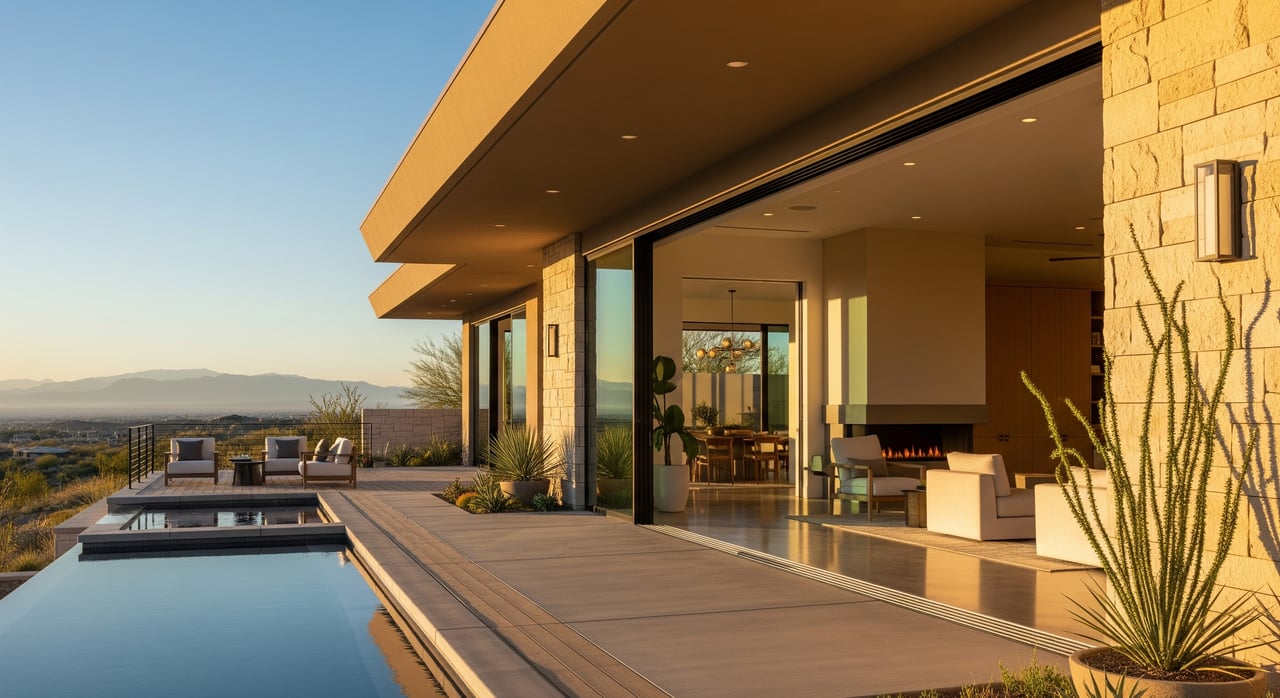
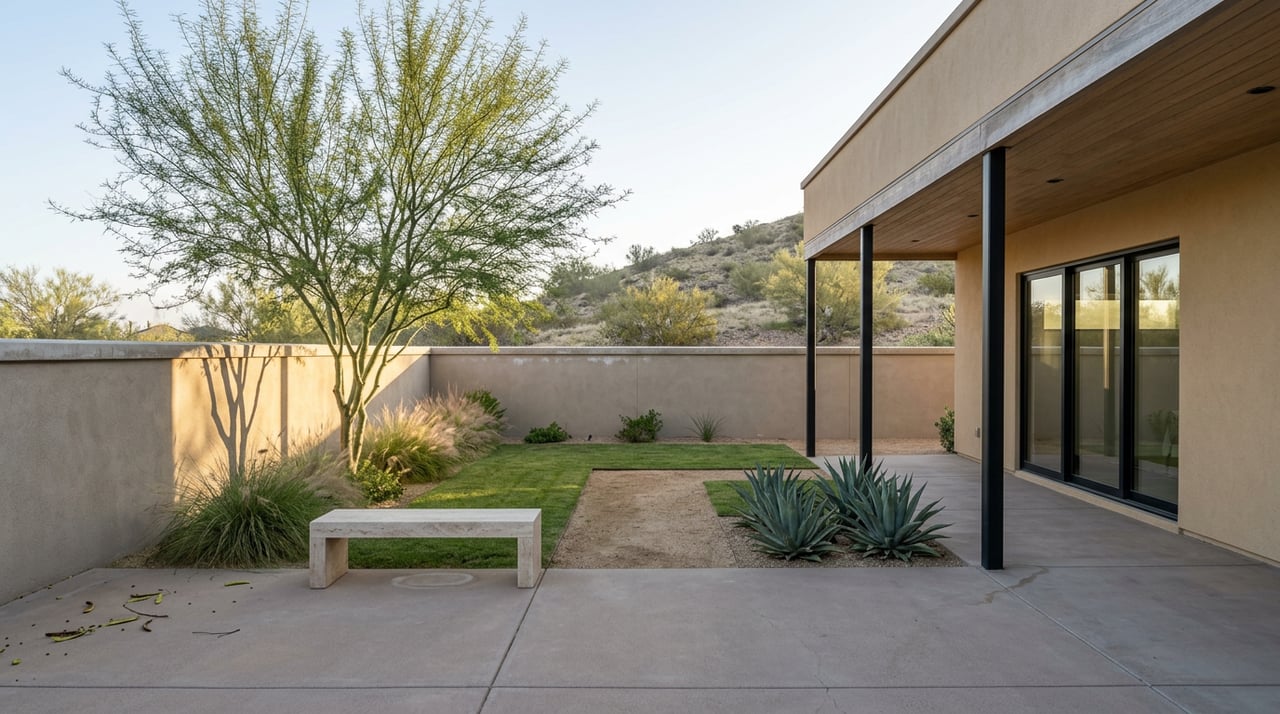
Desert‑modern architecture blends crisp geometry with natural textures and earthy tones. In Ascaya’s hillside setting, that look meets real performance needs in a hot, arid climate with very low rainfall and strong sun.
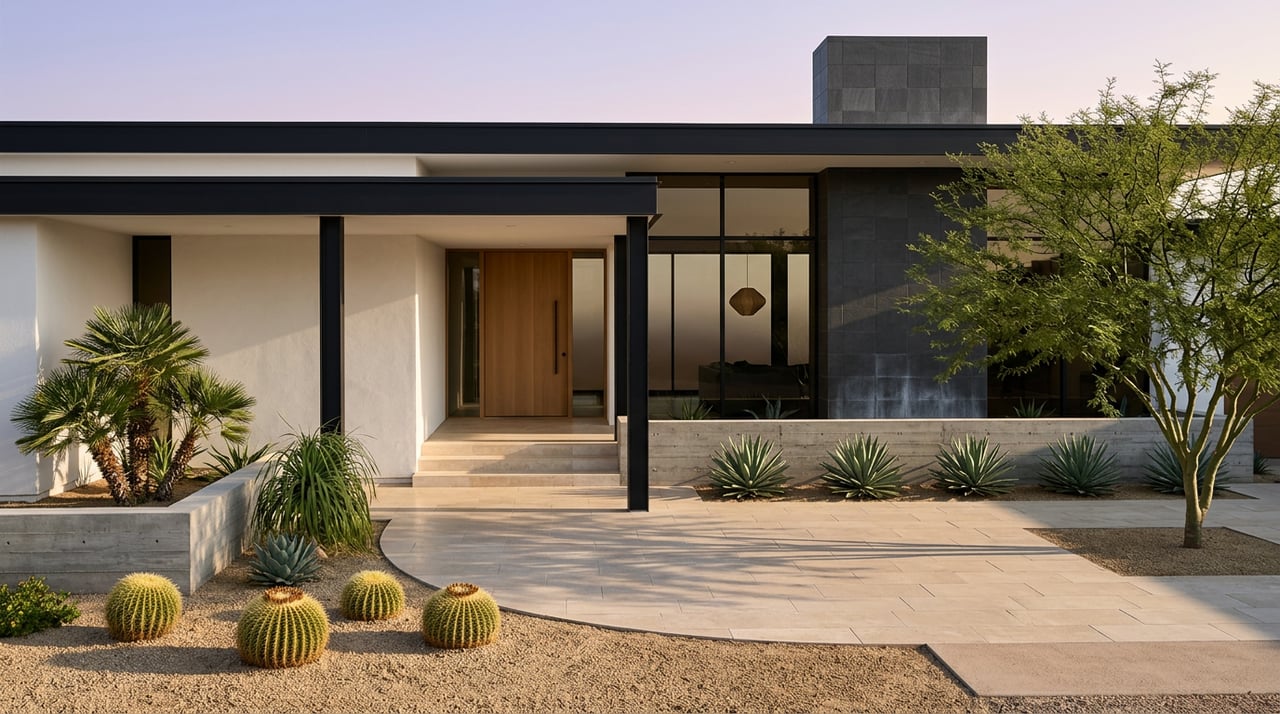
- Clean, horizontal lines and low profiles reduce visual mass on ridgelines.
- Large, well‑shaded glazing frames panoramic views while controlling heat and glare.
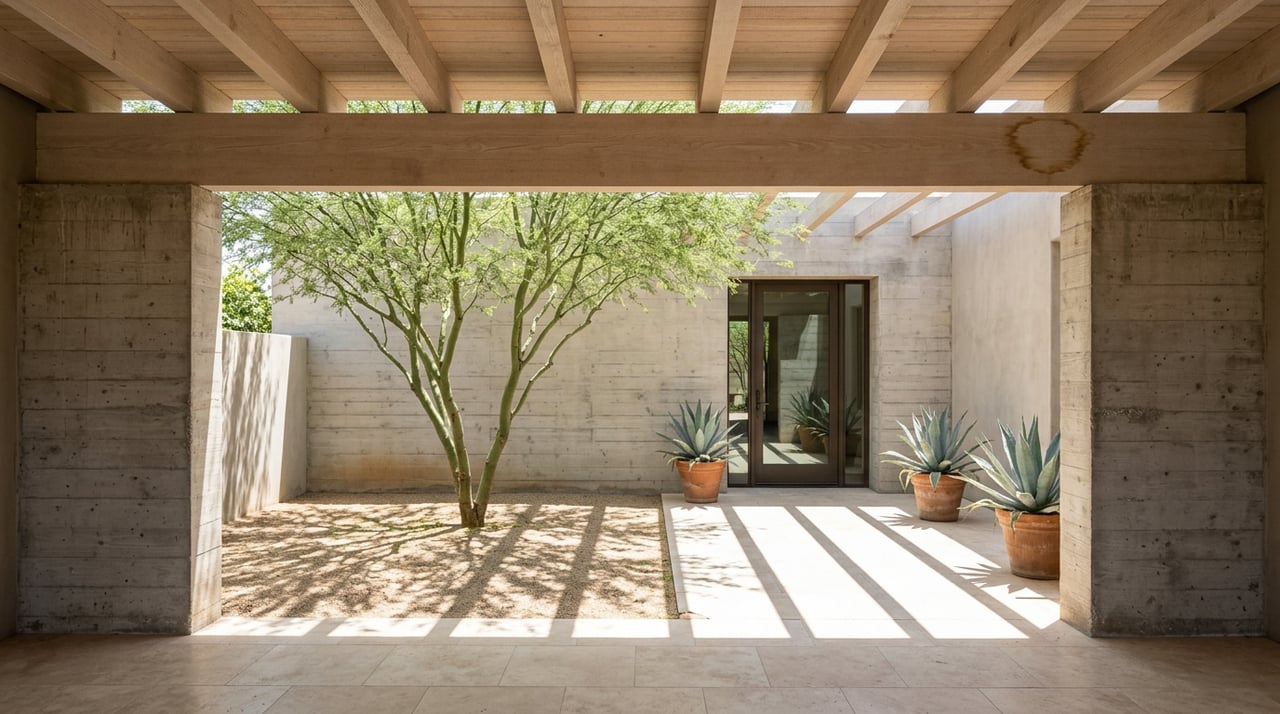
- Materials like stone, concrete, and steel pair with warm neutrals for a restrained, timeless palette.
- Flat or low‑slope roofs, deep overhangs, and recessed openings deliver both shade and style.
The result is an indoor‑outdoor lifestyle that feels connected to the desert landscape without sacrificing comfort.
Materials that look great and last
Choosing the right envelope and finishes is essential in a place with intense UV, high summer temperatures, and occasional wind and dust events.
- Exterior walls: Insulated stucco systems, cast‑in‑place or insulated concrete, and stone veneer provide durability and thermal mass. Prioritize continuous insulation and details that limit thermal bridging.
- Structural accents: Exposed steel adds crisp lines. Specify thermal breaks and corrosion protection. Use anodized or powder‑coated aluminum for trim.
- Roofing: Low‑slope membrane or metal roofs with high‑reflectance finishes reduce heat gain. Include proper insulation and ventilation strategies.
- Exterior finishes: Select UV‑stable coatings, ceramic tile, and natural stone for color stability with minimal maintenance.
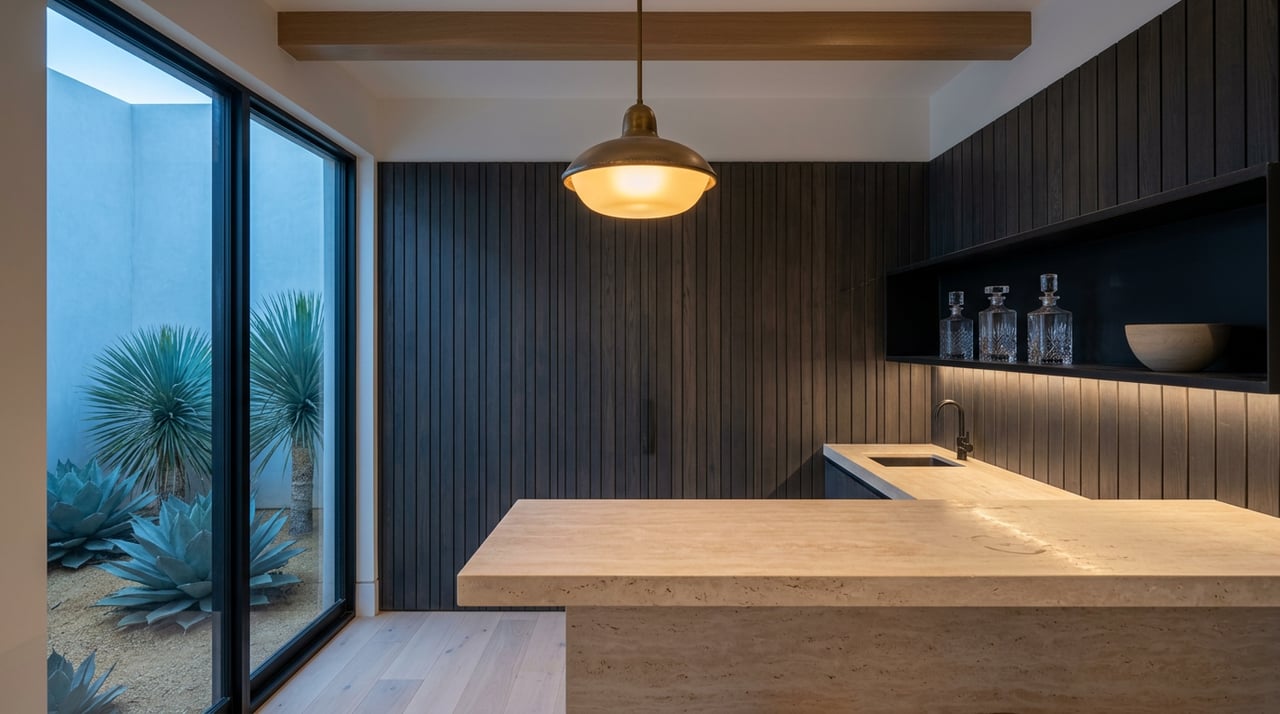
- Interiors: Concrete or stone floors add thermal mass to help moderate day‑night temperature swings when paired with night ventilation strategies.
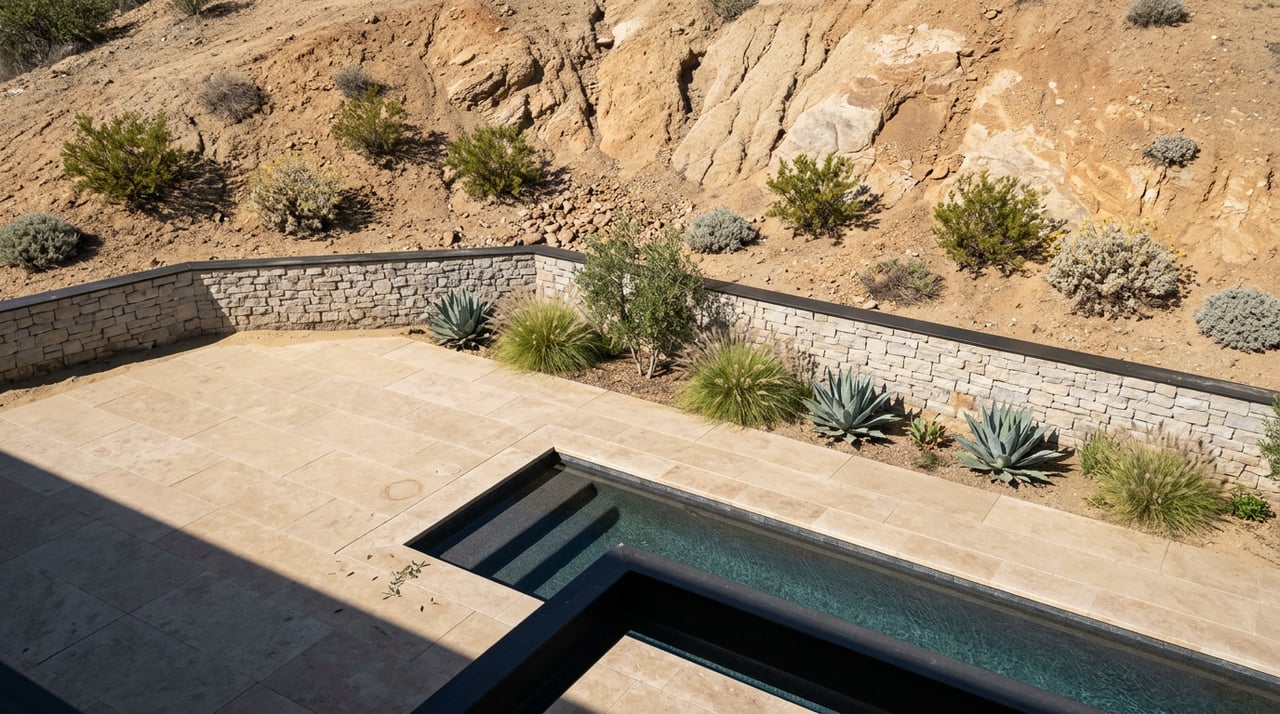
- Landscape and hardscape: Water‑wise plantings and permeable surfaces support stormwater management on slopes and reduce irrigation needs.
If sustainability is a priority, start with a high‑performing envelope and passive strategies like shading and night cooling before layering on high‑efficiency mechanical systems.
Glazing and shading that protect comfort
Thoughtful glass and shade make panoramic living rooms usable year‑round.
Choose high‑performance glass
- Use insulated glazing units with solar‑control low‑e coatings. Prioritize lower SHGC on west and east exposures to reduce heat and glare.
- Select thermally broken frames in aluminum, fiberglass, or composite to cut conductive heat gains.
- Balance visible transmittance for clarity without excessive brightness. Consider ceramic frit or low‑glare coatings on very large panes.
- Include operable panels where possible. Sliding or pocket doors allow cross‑breezes during cool nights and shoulder seasons.
Orient with intent
- South facades: Pair controlled glazing with modeled overhangs to capture winter sun and block high summer sun.
- East and west: These are the toughest for heat and glare. Limit uninterrupted expanses and add robust external shading.
- North: Ideal for soft daylight with minimal heat gain. Prioritize north glass for studios, kitchens, and living areas.
Shade like a pro
- Integrate deep overhangs, recessed openings, and brise‑soleil to shield glass while keeping clean lines.
- Use exterior screens or adjustable louvered pergolas to dial in late‑afternoon control.
- Treat interior roller shades as a secondary layer. Exterior shading is far more effective at blocking heat before it enters.
Landscaping for microclimate
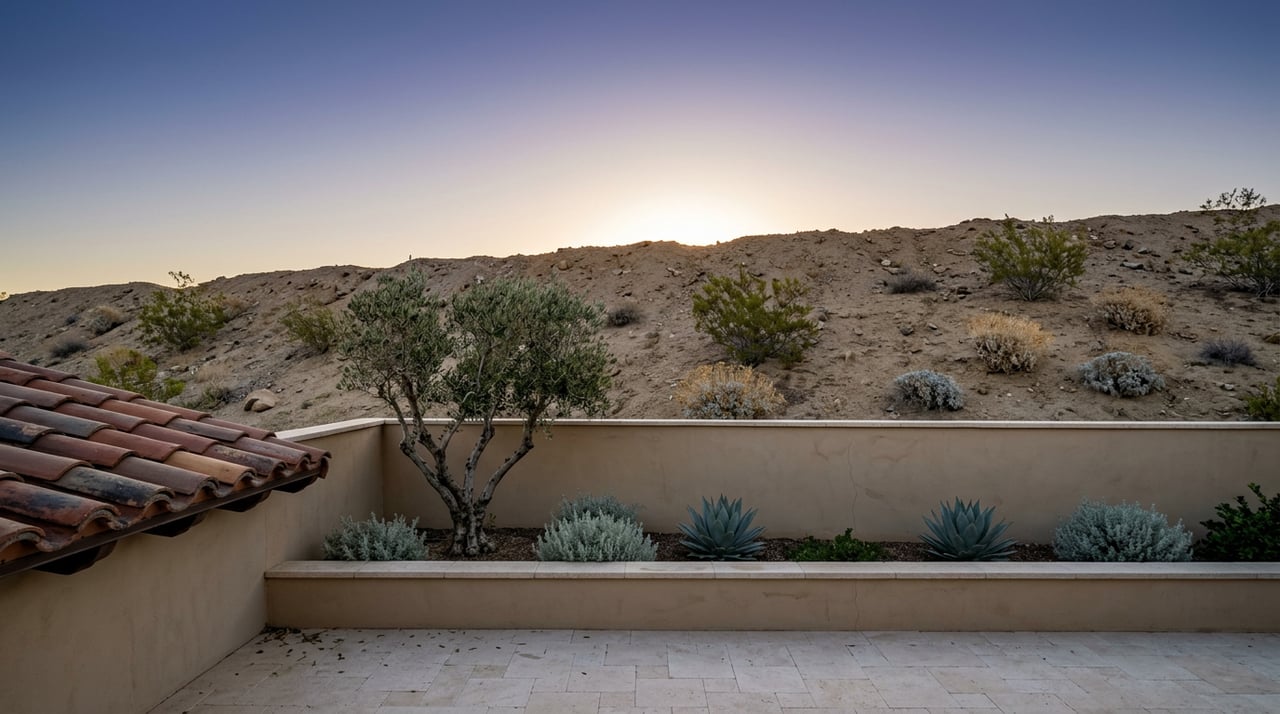
- Place drought‑tolerant trees and plantings to shade terraces and glazed walls strategically.
- Use light‑colored hardscape and limited reflective surfaces to reduce radiant heat near outdoor rooms.
Indoor‑outdoor flow without overheating
You can have a seamless connection to terraces and courtyards while keeping spaces comfortable.
Transition zones
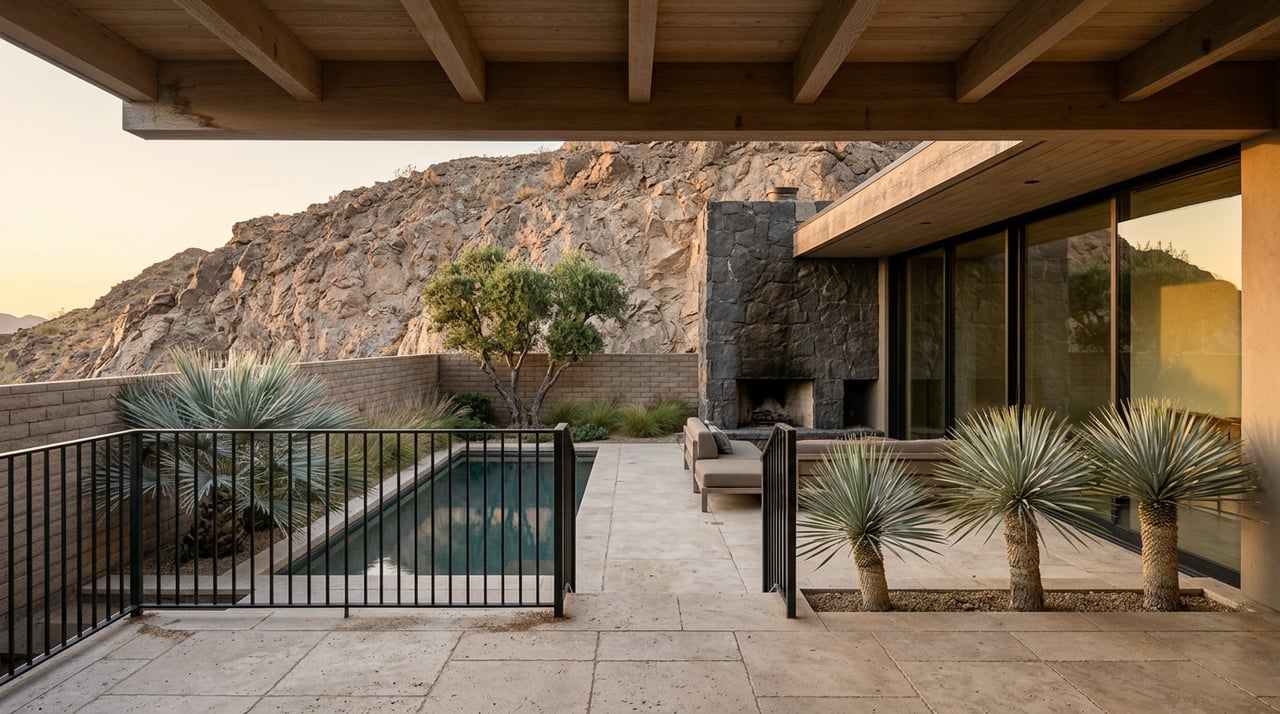
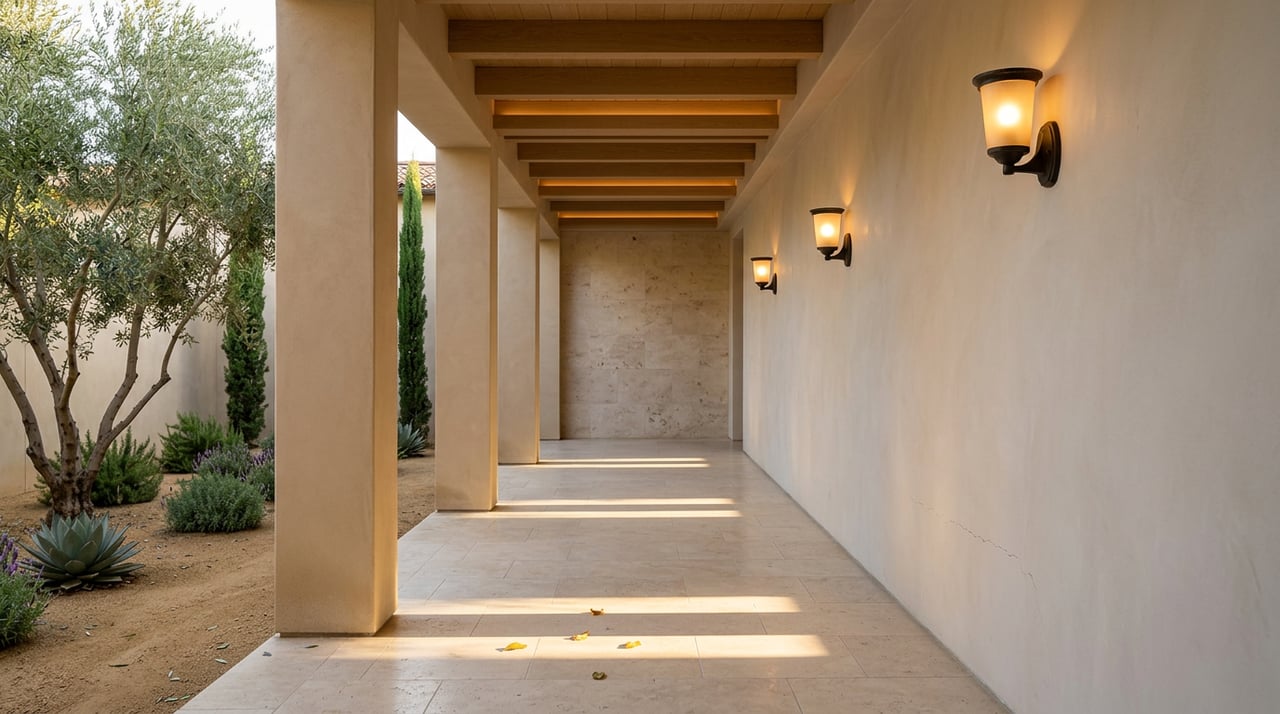
- Create covered outdoor rooms like loggias and shaded terraces as intermediate living spaces.
- Use pocketing sliders or folding walls with low thresholds to smooth the transition.
- Continue flooring materials at the same level to connect spaces visually. Choose slip‑resistant, heat‑tolerant surfaces outdoors.
Environmental controls
- Combine shade, operable openings, and ceiling fans or misting in outdoor rooms to extend usability.
- Site outdoor kitchens and lounges on the north or east side or beneath deep overhangs to avoid late‑day heat.
Night cooling
- Take advantage of cooler desert nights by designing secure, shaded openings that enable night purge ventilation to reduce next‑day cooling loads.
Siting for views on hillside lots
Protecting sightlines is central to Ascaya’s character and values. Expect guidelines that regulate massing, rooflines, and landscaping to preserve panoramas and ridgelines.
Why views matter
- Hillside lots command a premium for sweeping vistas. Preserving view corridors benefits both neighborhood character and long‑term value.
ARC rules you should expect
- Ridgeline protection: Homes should step into the slope and avoid creating new silhouettes on the skyline.
- Height and massing: Height envelopes and second‑story limits may apply, especially facing shared view corridors.
- Setbacks and orientation: Placement helps maximize your views while minimizing impact on neighbors.
- Landscape and lighting: Plant heights and exterior lighting are often controlled to protect vistas and the night sky.
- Grading limits: Cut‑and‑fill and large retaining walls are managed to reduce visual mass and slope disturbance.
Smart siting moves
- Commission early view and sun‑path studies to locate main living areas and terraces toward the best panorama.
- Place service spaces and garages on less view‑critical sides.
- If considering an inverted plan, confirm it meets height and privacy guidance before advancing design.
- Select plant palettes that create privacy screens without blocking distant views.
Design review in Ascaya: what to expect
Luxury communities use a structured Architectural Review Committee process to align each home with design standards and view protection.
Typical steps
- Pre‑application concept review for siting and massing feedback.
- Formal preliminary review with site plan, elevations, and materials.
- Revisions based on ARC comments; neighbor coordination as needed.
- Final design approval and compliance letter.
- City/County permitting for building, grading, and utilities, coordinated with ARC steps.
- Inspections during construction and final ARC sign‑off.
What to submit
- Topographic site plan with contours and spot elevations
- Floor plans, elevations with material callouts, and roof plans
- Sections and building height diagrams
- Landscape and hardscape plans with species and irrigation
- Exterior lighting plan
- Grading and drainage plans with retaining wall locations
- Color and material boards or samples; 3D renderings or models are often helpful
- Geotechnical report and structural notes for steep slopes
Timeline you can plan for
- Concept feedback: about 1 to 2 weeks, depending on scheduling.
- Initial formal review: roughly 4 to 8 weeks, based on ARC meeting cadence.
- Revisions: each cycle commonly takes 2 to 6 weeks.
- Overall ARC approval: plan for about 2 to 4 months. Complex hillside designs or major changes can extend to 4 to 6+ months.
- Municipal permits: additional weeks to months, particularly for grading, drainage, and structural approvals. Coordinate to avoid rework.
Avoid common delays
- Submit a complete package with materials, engineering, and landscape details.
- Include 3D view and massing studies with contour‑accurate sections.
- Address grading and retaining wall concepts early with your civil and structural teams.
- Align your palette with community guidance and bring physical samples.
- Proactively engage nearby owners if neighbor input is part of the process.
- Coordinate civil engineering with ARC and City requirements from the start.
Fees and inspections
- Expect application and review fees, plus inspection deposits. Obtain the current fee schedule from community management.
- ARC compliance inspections during construction and a final review are typical before occupancy and community access.
Buyer checklist: start strong
Use this list before you buy, or as soon as you go under contract.
- Obtain and review Ascaya Design Guidelines, CC&Rs, and ARC submittal requirements.
- Order a detailed topographic survey and geotechnical report.
- Commission a preliminary view study and solar orientation analysis.
- Confirm utility access points, easements, and driveway constraints.
- Assemble your team early:
- Architect with desert‑modern and hillside expertise
- Civil and structural engineers with slope experience
- Landscape architect versed in Southern Nevada xeriscape and stabilization
- Glazing supplier familiar with high‑performance units and NFRC ratings
- Contractor experienced in luxury hillside builds and ARC processes
- Key questions for the ARC:
- What are the exact submittal requirements and meeting schedule?
- Are there preferred or prohibited materials and colors?
- What height envelopes and ridgeline rules apply to this lot?
- What fees and deposits are required?
- What review timelines and revision cycles are typical?
- Design priorities:
- Protect primary view corridors with siting and stepped massing
- Minimize west‑facing glass or add robust exterior shading
- Specify UV‑resistant, low‑maintenance exterior materials
- Create covered outdoor rooms to extend seasonal use
- Plan mechanical and irrigation systems for energy and water efficiency
A carefully managed process protects your views, controls heat, and keeps your project moving. If you want a discreet, high‑touch partner for site selection and the offer process, connect with Prescindia Misch to request a private consultation.
FAQs
What defines desert‑modern style in Ascaya?
- Clean lines, low profiles, recessed and shaded glazing, and a restrained palette that blends steel, glass, stone, and concrete with strong indoor‑outdoor connections.
How do I control heat with large windows in Henderson’s climate?
- Combine solar‑control low‑e glazing, thermally broken frames, deep exterior shading, and strategic orientation, with interior shades as a secondary layer.
How long does Ascaya’s design review usually take?
- Plan for about 2 to 4 months from first submission to final ARC approval, with complex hillside projects potentially extending to 4 to 6+ months.
What’s the smartest way to protect view corridors on my lot?
- Commission early view and sun studies, step the home into the slope, prioritize north and south glazing, and follow ARC height, setback, and landscape rules.
Which materials hold up best to sun and dust on hillside sites?
- Insulated stucco or concrete walls, UV‑stable coatings, corrosion‑protected steel, high‑reflectance low‑slope roofing, and natural stone or ceramic tile finishes.